


 US Dollars
 Euro
Euro
 Australian Dollar
 British Pound
 Chinese Yuan
 Hong Kong Dollar
 Indian Rupee
 Japanese Yen
 Kuwaiti Dinar
 Swiss Franc
 United Arab Emirates Dirham
 Canadian Dollar
Freshwater Pearls: From Formation to Quality — A Practical Guide for Buyers
Posted by Mr. Rajesh Kumar Laddha on Aug 10th 2026
Customer Login
If you are already registered, please log in.
Create your account and enjoy a new shopping experience.
Create a new account
Posted by Mr. Rajesh Kumar Laddha on Aug 10th 2026
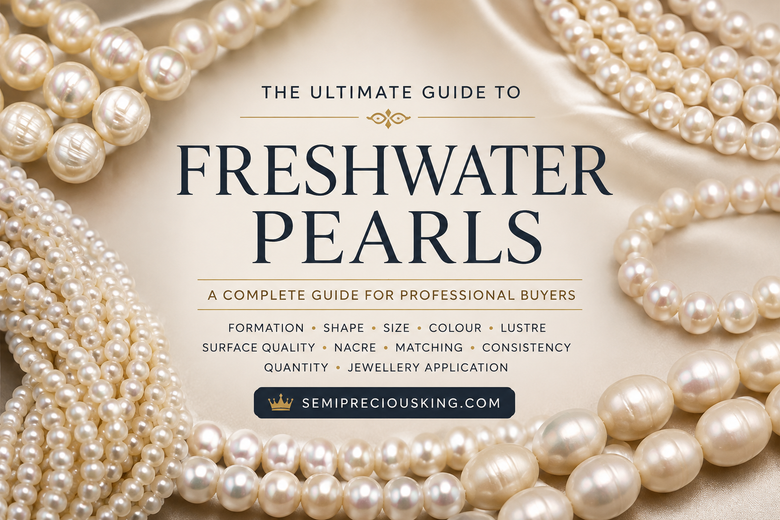
Pearls have been admired for centuries for their natural beauty, soft glow and remarkable variety.
For a professional buyer, however, selecting the right pearl involves much more than choosing a colour or size.
A proper evaluation considers:
At Semipreciousking.com, we believe informed buyers make better purchasing decisions. This guide provides a practical framework for understanding and evaluating freshwater pearls.
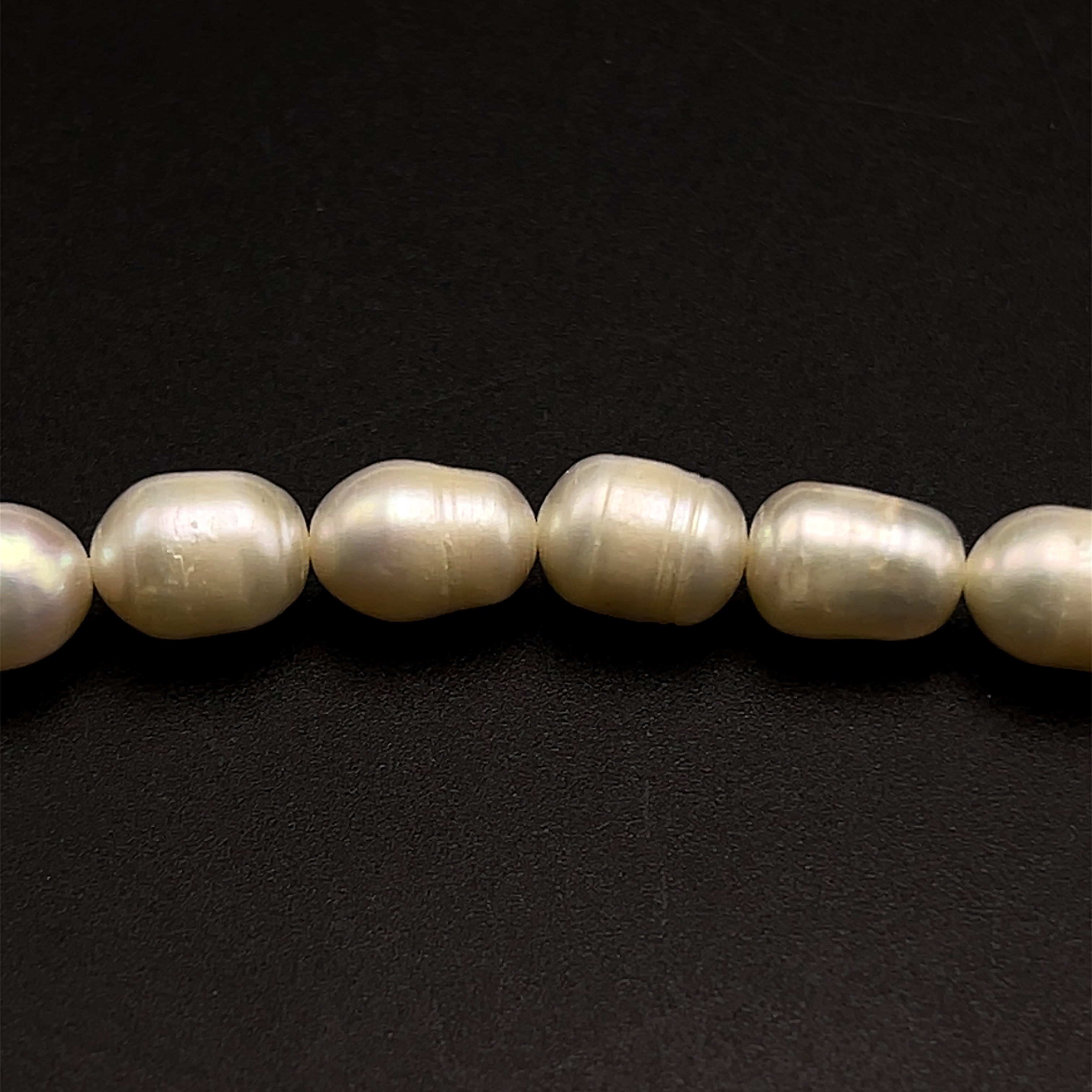
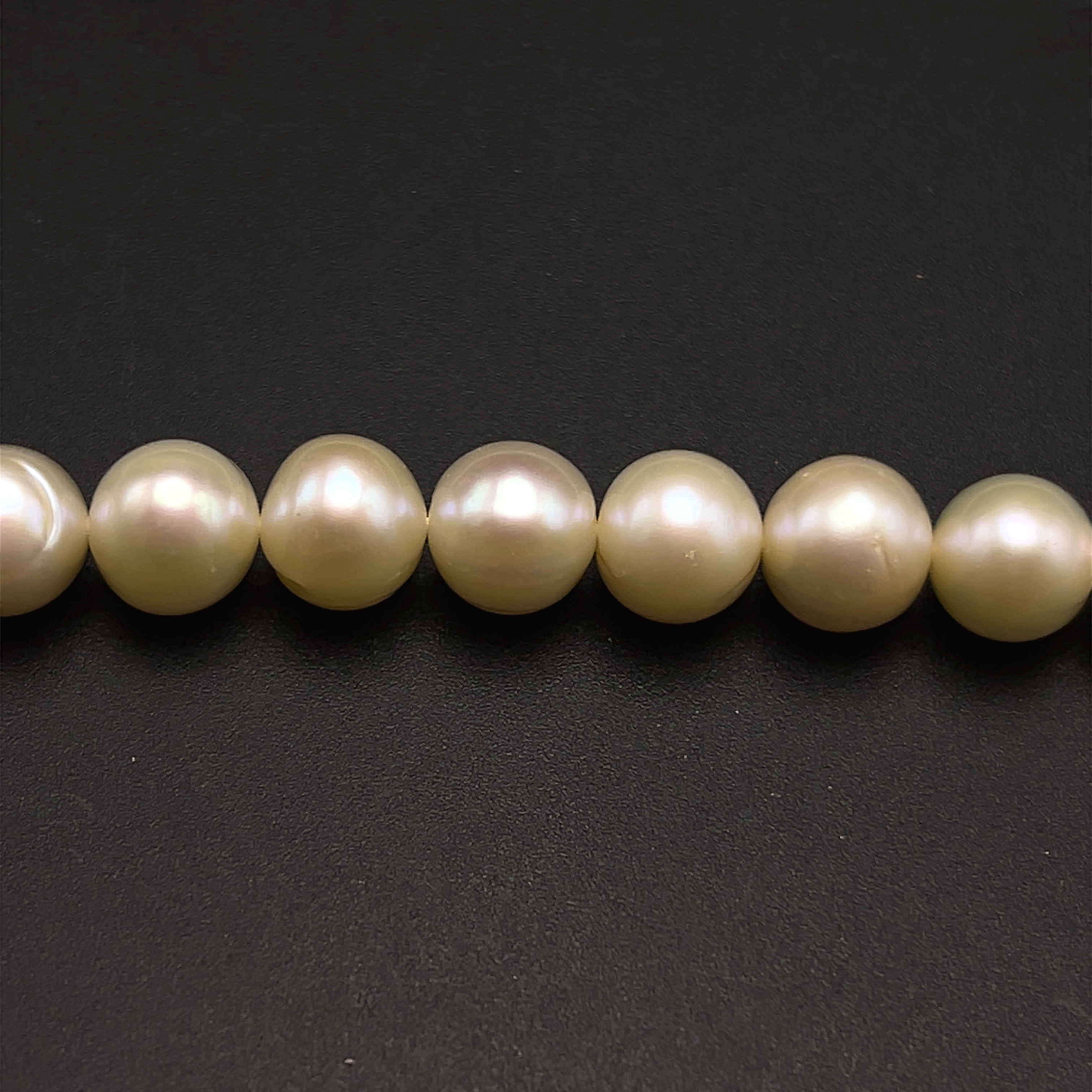
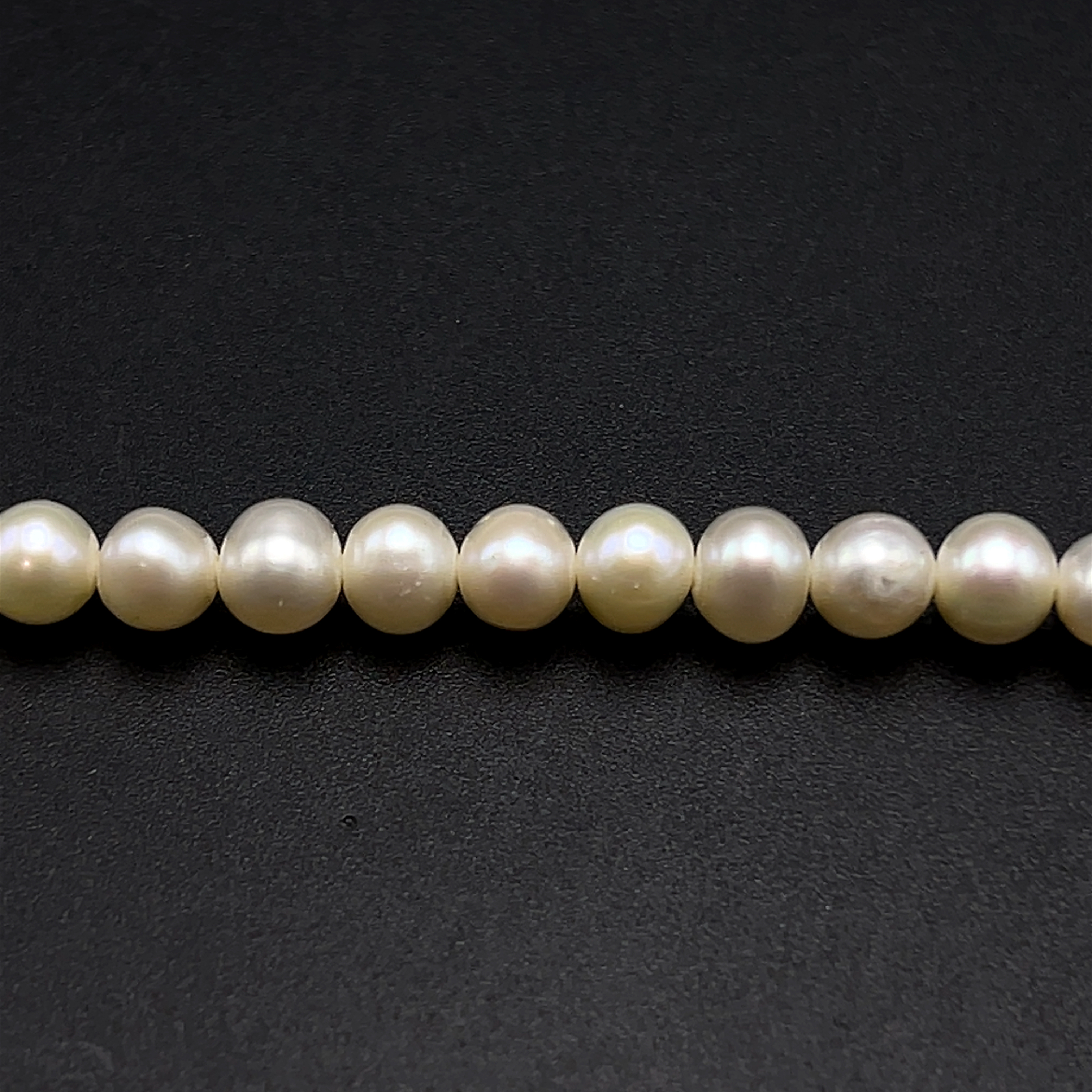
A pearl forms inside a mollusk as layers of nacre develop around a nucleus or other stimulus.
There are two fundamental categories:
Important: Cultured does not mean imitation.
One of the first questions a buyer should ask is:
Where was the pearl formed?
Freshwater pearls are cultivated in freshwater mussels in environments such as:
They can be found in an exceptionally broad selection of:
Modern cultivation can also produce larger, rounder pearls with impressive lustre.
Saltwater pearls are cultivated in marine oysters.
Major commercial categories include:
Each pearl category has its own characteristics, applications and market positioning.
Pearls have been valued for thousands of years.
Over time, pearl farming became increasingly sophisticated.
Improvements in:
have expanded the range of pearls available to today's market.
The result is a remarkable variety of sizes, shapes, colours and quality levels.
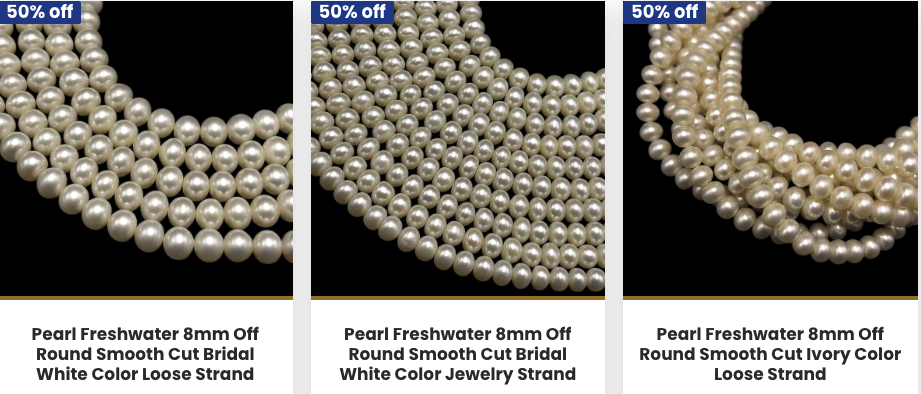
Shape is one of the first characteristics a buyer notices.
Different shapes suit different applications:
Round is not automatically better.
The best shape depends on the design, customer, market and intended application.
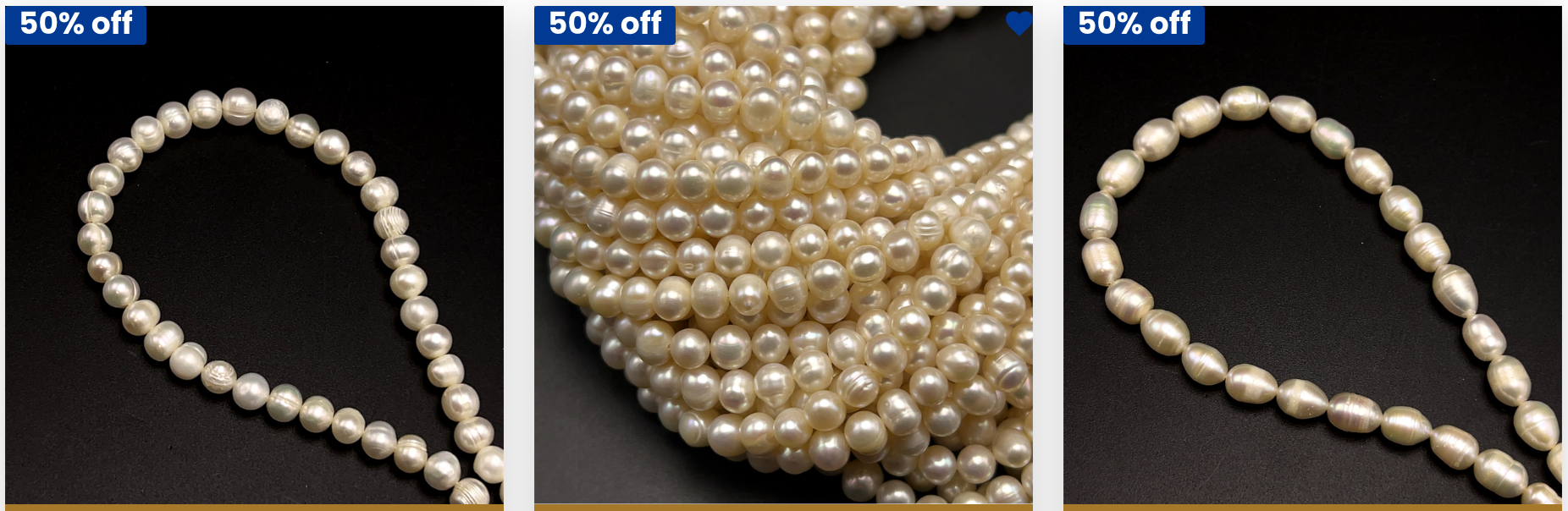
Size should always be evaluated together with shape and quality.
Professional buyers may require:
For commercial orders, size consistency can be just as important as the beauty of an individual pearl.
Freshwater pearls offer a broad colour palette.
Common colours include:
The right colour depends on:
A colour that works perfectly for one jewellery collection may not be suitable for another.
Lustre describes the strength and sharpness of light reflected from the pearl's surface.
When examining a pearl, look for:
For professional buyers, lustre should be evaluated directly rather than relying only on a supplier's grade description.
The surface of a pearl can reveal many details about its quality.
Look for:
The acceptable level depends on:
A baroque pearl may have natural irregularities that contribute to its character, while a classic round strand may require a much cleaner appearance.
Nacre is the layered material that makes up much of a pearl's structure and appearance.
Good nacre characteristics contribute to:
For professional purchasing, nacre should be considered together with the pearl's overall appearance rather than evaluated as an isolated specification.
These two terms are sometimes confused.
An overtone is a subtle secondary colour appearing over the main body colour.
Examples include:
Orient is a more complex iridescent effect that can create soft rainbow-like flashes across the pearl's surface.
It may show:
These optical effects can add considerable visual interest.
A beautiful individual pearl is not enough when producing a commercial jewellery collection.
For strands, pairs and larger orders, buyers should evaluate:
For manufacturers and wholesalers, repeatable matching is a major part of supplier reliability.
This is extremely important for professional buyers.
You may see descriptions such as:
However, pearl grading terminology is not universally standardised across the entire industry.
Different suppliers may use different criteria.
Therefore, professional buyers should not rely only on a grade name.
This provides a much more useful basis for comparing products.
Depending on available material, freshwater pearls can be supplied as:
This flexibility makes freshwater pearls suitable for a wide range of jewellery businesses.
Before placing an order, we recommend reviewing:
☐ Pearl origin
☐ Natural or cultured
☐ Pearl type
☐ Shape
☐ Size
☐ Colour
☐ Lustre
☐ Surface quality
☐ Nacre characteristics
☐ Matching
☐ Quantity available
☐ Price
☐ Consistency for repeat orders
The real question is not simply:
"Is this pearl beautiful?"
A professional buyer should also ask:
"Can the supplier consistently provide the quality I need?"
For a professional jewellery buyer, one attractive parcel is only the beginning.
A reliable supplier should understand requirements for:
Finding good material once is one thing.
Finding it consistently is another.
Freshwater pearls can be suitable for:
Their broad range of sizes, colours and shapes allows businesses to create everything from classic collections to contemporary designs.
At Semipreciousking.com, our objective is not simply to offer a pearl.
We aim to understand the buyer's requirement and prepare the most suitable selection available.
We can work according to:
Whether you require a single selection, pearl strands, wholesale quantities or a customised requirement, share your specifications with our team.
When evaluating a pearl parcel, remember:
What shape and size does it have?
How are the colour, lustre, surface and matching?
Then consider:
SHAPE → SIZE → COLOUR → LUSTRE → SURFACE → MATCHING
This simple framework makes pearl selection much clearer.
Yes. Cultured freshwater pearls are genuine pearls produced by freshwater mollusks.
Not necessarily. Round pearls are traditionally desirable, but exceptional baroque and unusual shapes can also be highly attractive and commercially valuable.
There is no universal grading system. Always ask what characteristics the supplier's grade represents.
There is no single factor. Lustre, surface, shape, size, colour, nacre and matching all contribute to overall quality and value.
Yes. Their broad selection of sizes, shapes and colours makes them suitable for many jewellery and manufacturing applications.
Pearl selection does not need to be complicated.
Remember:
A professional buyer should look beyond a grade name or attractive photograph.
The real value comes from finding the right material, at the right quality, in the right quantity, with the consistency to support your business again and again.
At Semipreciousking.com, we are ready to understand your requirement and work with you toward the right pearl selection.
|
|||||||
|
|||||||
|